Grants Pass Neighborhoods: Lifestyles And Home Options
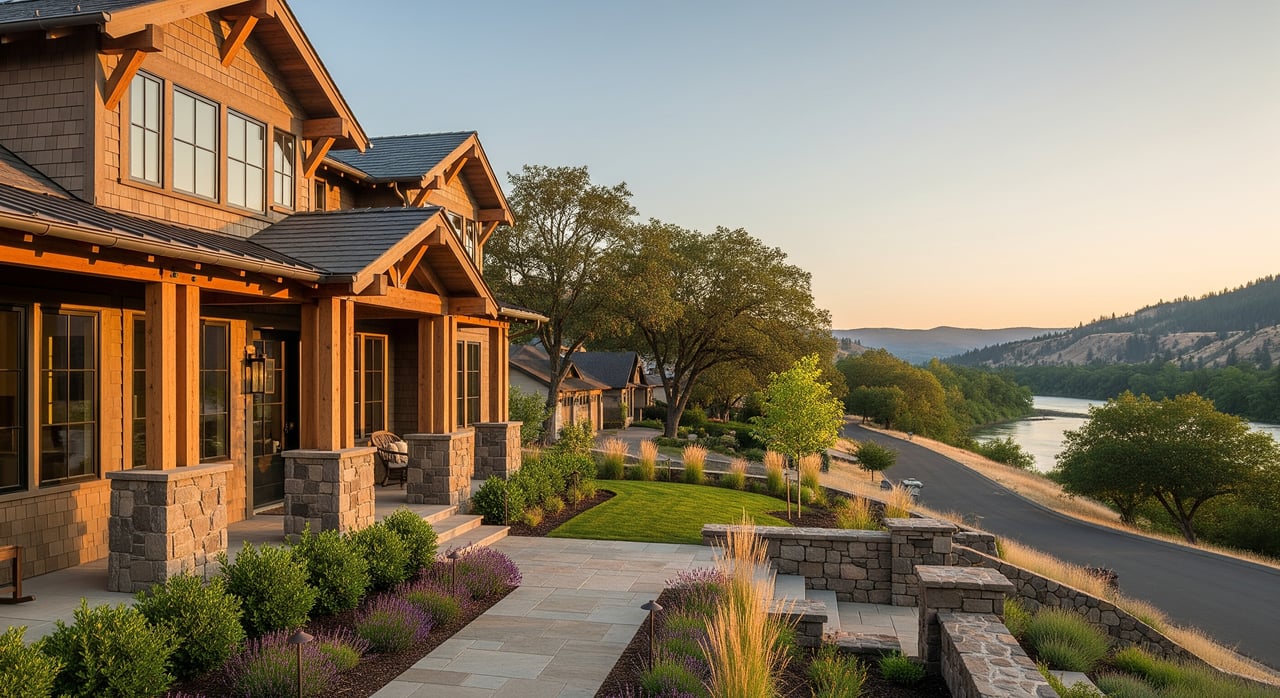
Are you weighing a move to Grants Pass and wondering which area fits your day-to-day life best? Choosing the right micro-area will shape your commute, weekend plans, and how your home lives. In this guide, you’ll compare four popular parts of town, see common home types, and learn what to check during due diligence. By the end, you’ll know which neighborhoods to tour first. Let’s dive in.
Downtown is compact, walkable, and lively. You’ll see historic storefronts, civic buildings, parks, galleries, and restaurants all within a few blocks. Housing includes Victorian and Craftsman homes, bungalow-era cottages, small-lot infill, occasional duplexes, and condo conversions.
Lots tend to be smaller with sidewalks, street parking, and city utilities. Some homes sit within historic districts or conservation overlays that guide exterior changes.
Choose downtown if you prioritize walk-to dining, art, and services. Short trips make daily errands simple and evenings out easy. If you value character and location over yard size, this area delivers.
Older systems are common. Plan for inspections focused on foundations, roofing, wiring, plumbing, and potential older finishes. If a property is in a historic overlay, confirm design review steps before planning renovations.
North Valley spans suburban and semi-rural pockets north and northeast of the core. You’ll see ranch homes, contemporary builds, and traditional two-story plans, plus newer subdivisions and some custom homes. Yards and garages are typically larger than downtown.
As you move farther from city services, some homes use private wells and septic systems. Streets are calmer, and driveways are common.
Choose North Valley if you want more space and a quieter residential feel while staying within a short drive of downtown. It suits buyers who value yard size, garages or workshops, and room for hobbies.
Confirm whether a property is on city water and sewer or private well and septic. If private systems serve the home, factor in inspections, maintenance, and permitting history. Larger parcels may have drainage considerations and road maintenance obligations.
The Redwood corridor includes tree-lined residential streets that connect the core to outlying neighborhoods. Expect mid-century and later single-family homes, modest ranches, and some small multifamily buildings. Landscaping is often mature, and lot sizes range from medium to large by block.
Municipal services are common in denser sections, with a mix of street and driveway parking. Shopping corridors nearby keep errands convenient.
Choose the Redwood corridor if you want balance. You get proximity to retail and schools with a calmer, suburban rhythm and plenty of greenery. Many homes are move-in ready, with opportunities for cosmetic updates.
Housing ages vary. Compare roof, HVAC, insulation, and window upgrades across options. If you plan improvements, confirm local permitting and setbacks because lot sizes and layouts differ block to block.
Along the Rogue River and nearby tributaries, you’ll find cottages, modest single-family homes, and occasional contemporary rebuilds. Select parcels offer boat docks or private access. Lots can be narrow and shaped by the river’s path, with special setback and flood considerations.
Utilities vary by street, but developed sections generally have standard services. Property specifics matter more here than anywhere else.
Choose river-adjacent areas if water access and views top your list. It is ideal if you enjoy fishing, boating, riverside walks, and seasonal events. The lifestyle premium is real for recreation-focused buyers.
Flood zones, riparian setbacks, and insurance costs can affect affordability. Verify floodplain status and any shoreline rules that govern docks or vegetation. Erosion, soil stability, and bank conditions should be part of inspections.
Downtown and the riverfront host the highest concentration of restaurants, breweries, cafes, galleries, and specialty shops. Seasonal farmers markets offer produce and artisan goods, which many downtown and nearby residents enjoy. Larger grocery stores and chains cluster along major corridors outside the core.
The Rogue River is a centerpiece for boating, fishing, kayaking, and rafting. The city and county maintain parks and riverfront spaces for picnics and walking. Nearby public lands open the door to hiking, camping, and winter activities within a one to two hour drive.
Neighborhood proximity to schools varies by address, so confirm district boundary maps for each listing. Downtown areas are close to civic buildings and community centers. Regional hospitals and clinics serve Grants Pass, with specialty care sometimes located in larger regional hubs.
Downtown offers the shortest trips for errands and events. The North Valley and Redwood corridor are short to moderate drives into the core, with easy access to highways that connect to the broader region. Walkability is strongest downtown, while suburban areas provide more private parking and garage space.
Use this list to focus your due diligence based on micro-area:
Utilities, septic, and wells
Flood risk and setbacks
Wildfire risk
Historic review
Easements and river access
Property taxes and districts
Inspection priorities
Clarify lifestyle must-haves. Decide whether walkability, yard size, or water access matters most.
Map your daily routes. Test drive commute times to work, schools, and favorite activities during peak hours.
Align budget with condition. If you love older homes, plan for system upgrades. If you want turnkey, target updated homes in North Valley or the Redwood corridor.
Vet parcel specifics. For wells, septic, flood zones, docks, or historic rules, pull records early in due diligence.
Tour across two to three areas. Seeing homes in different pockets will sharpen your preferences quickly.
The right home is about fit, not just features. If you want a curated list of homes that match your lifestyle, systems guidance for wells, septic, or flood considerations, and white-glove support from first tour to closing, connect with Patrick Leiser. Our boutique team pairs hyper-local expertise with concierge service to make your move to Grants Pass seamless.
Stay up to date on the latest real estate trends.

CLIENT FOCUSED. RESULT DRIVEN
Patrick and Polina have lived in Southern Oregon for more than a decade. They know – and love – this area and often refer to it as “America’s Best Kept Secret.” Whether you are looking to purchase your dream home, sell your existing property or build your real estate portfolio, this dynamic duo has the insight, creativity, and a clear understanding of the market to ensure your success. While Patrick and Polina work collaboratively throughout the process, you will see that each of them brings something unique and valuable to the team, giving you the competitive advantage in every scenario.