Buying A Historic Home In Jacksonville: Key Considerations
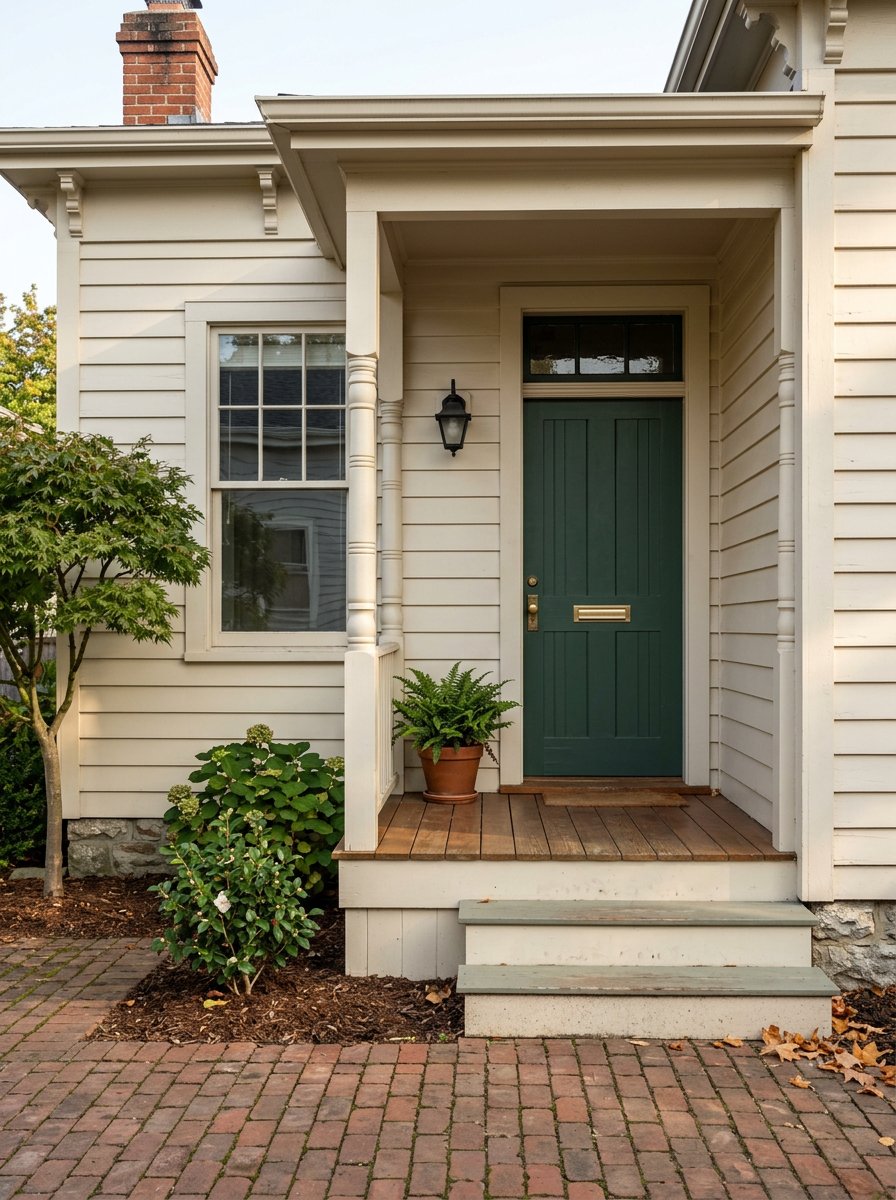
Imagine waking up in a home with original wood trim, a covered porch, and a story that reaches back to the 1800s. Buying a historic home in Jacksonville can give you that charm, plus a walkable, small-town feel. But older homes come with unique rules, inspections, and costs that are easy to overlook. In this guide, you’ll learn how Jacksonville’s protections work, what to inspect, how permits and financing fit together, and how to plan your budget with confidence. Let’s dive in.
Jacksonville’s core is a National Historic Landmark District that documents the town’s late 19th century architecture and significance. You can see that story in the district nomination, which highlights intact commercial blocks and distinctive homes across styles like Greek Revival and Italianate. For background, review the Jacksonville Historic District nomination.
Here’s the key point many buyers miss: National Historic Landmark or National Register listing is primarily honorific at the federal level. It does not, by itself, stop a private owner from making changes unless a federal action is involved. In Jacksonville, the rules that actually govern exterior changes come from local law and design review.
The City of Jacksonville uses the Historic & Architectural Review Commission (HARC) and Title 18 regulations to protect neighborhood character. Most exterior work that changes appearance, new construction, moving or demolition requires a Certificate of Appropriateness before you can get a building permit. The code organizes reviews by levels based on location and significance, while routine maintenance that does not change the historic appearance is usually exempt. You can read the full rules in Title 18: Historic Protection and Design Regulations and confirm a property’s review level by contacting HARC staff.
Jacksonville also publishes detailed Design Guidelines that HARC uses to evaluate projects. If your work is visible from the street, expect design review before a building permit. The guidelines explain expectations for windows, porches, siding, additions, and more. Browse the Jacksonville Historic District Design Guidelines for examples and standards.
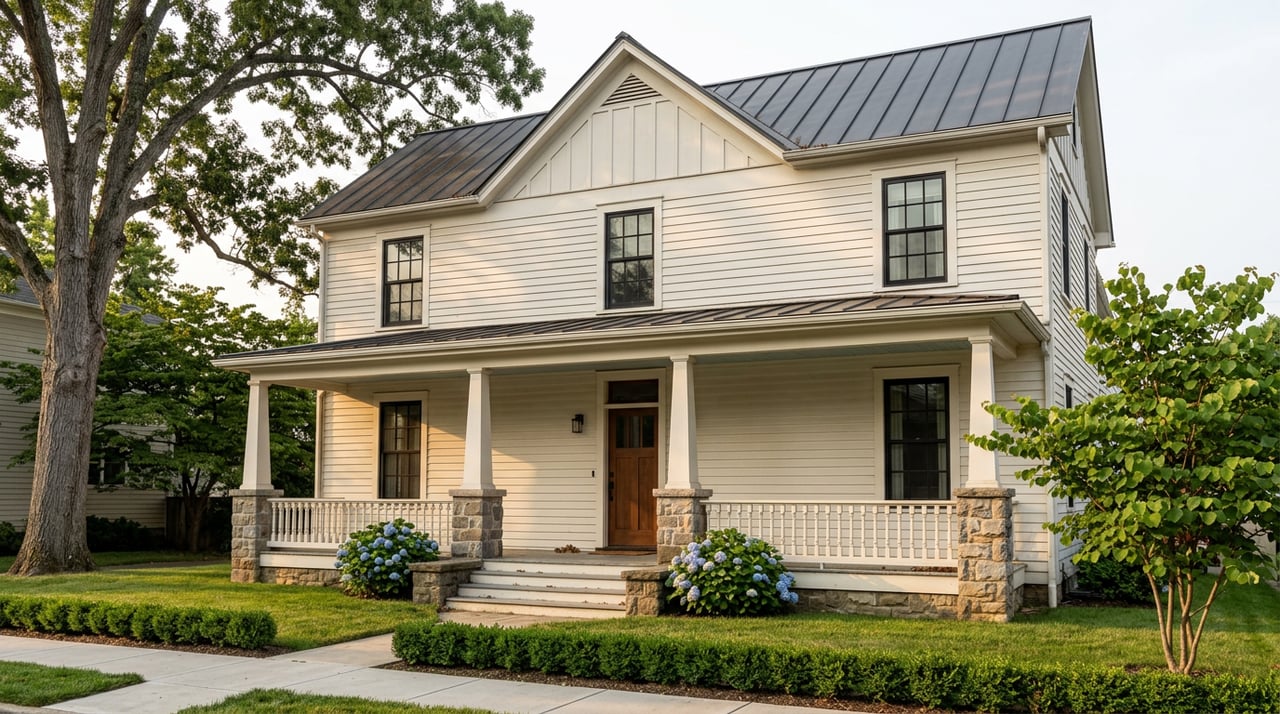
Jacksonville’s appeal shows up in its compact core and residential blocks. You’ll find Greek Revival, Italianate, Gothic Revival, and other Victorian-era details. Many homes feature full-width porches, original wood sash windows, distinctive muntin patterns, and clapboard siding or brickwork with historic mortar profiles.
Along East California Street, brick cornices, transoms, and storefront details still frame the commercial heart of town. On neighborhood streets, porch columns and balustrades, original window proportions, and simple massing give homes a timeless rhythm. These are the features buyers fall in love with and the ones HARC aims to protect.
Older homes can be solid, but they also hide wear and outdated systems. Plan a full home inspection with someone experienced in historic properties. If you see signs of movement or plan a major addition, add a structural engineer.
Schedule a chimney inspection and be ready for repointing or stabilization where needed. Order a wood-destroying organism inspection to screen for termites and rot. A sewer scope, plus a roof and attic moisture check, can reveal hidden issues before they become expensive surprises.
For homes built before 1978, lead-based paint is a common concern. Federal rules require sellers to disclose known lead hazards and to provide the EPA pamphlet for pre-1978 housing. You also have the right to test during your inspection period. Learn more about your rights on the EPA’s lead disclosure page.
In Jacksonville, many exterior changes require a Certificate of Appropriateness before you apply for building permits. Title 18 outlines three review levels that fit different property types and project scopes. Routine maintenance that keeps the historic appearance is often exempt, but visible repairs, window replacements, additions, and signage usually are not. Review the rules in Title 18 and check HARC’s page for meeting schedules.
Because HARC schedules and COA processing can add weeks to a project, build review time into your closing and construction plan. Ask sellers for any prior COAs and permits. Good documentation reduces risk and can speed approvals for future work.
For historic rehabs, owners and building officials often use approaches in the Oregon Structural Specialty Code or the International Existing Building Code. These frameworks do not typically force full code upgrades unless you trigger them with a large scope, a change of use, or other defined thresholds. For masonry and seismic work, local practice and engineered solutions can improve safety while respecting historic character. Costs remain site specific, so get early guidance from an engineer and preservation-minded contractor.
The federal Historic Rehabilitation Tax Credit offers a 20 percent income tax credit for certified rehabilitation of income-producing historic structures. Owner-occupied primary residences generally do not qualify. If you are considering rental or commercial use, review eligibility and process on the NPS tax incentives program page.
Oregon’s State Historic Preservation Office administers a Special Assessment program that can limit property tax increases for qualifying rehabilitations. The rules include application windows and owner expenditure requirements that have been updated for 2024 to 2025. If you plan significant work, explore current rules in the draft regulations from Oregon SHPO and confirm timelines before you buy. Start with the Special Assessment draft rules.
If you plan both purchase and repairs, renovation financing can simplify the process. FHA’s 203(k) program lets you combine the purchase and rehab costs into one insured mortgage, with a consultant required for larger projects and structured draws. Conventional options like HomeStyle Renovation or private construction loans can also fit, depending on scope and credit. Learn how 203(k) works on the HUD program page.
The biggest cost drivers in 19th century homes are major systems and structure. Electrical rewiring, plumbing replacement, roof work, and foundation or seismic upgrades can each run into the thousands. Window restoration, when feasible, can be cost effective over time if done to recognized standards, and adding quality storms and weatherstripping can boost comfort without harming historic fabric.
Build time for design review and permits into your plan. Many buyers set aside a 10 to 20 percent contingency for unknowns that appear once work begins. If you are on a tight schedule, consider phasing improvements so you can move in while tackling longer lead time items in order.
Use this list to organize your due diligence before you commit:
Owning a historic home in Jacksonville lets you live inside the town’s story, from porch columns to original sash windows. With the right planning, inspections, and a clear path through HARC and permits, you can protect that character while creating a comfortable, lasting home. If you want a partner who understands Jacksonville’s rules, timelines, and neighborhood feel, we’re here to guide every step.
Have questions about a specific property or your renovation plan? Reach out to Patrick Leiser for tailored guidance, lender introductions, and a smart plan to buy and restore with confidence.
Stay up to date on the latest real estate trends.

CLIENT FOCUSED. RESULT DRIVEN
Patrick and Polina have lived in Southern Oregon for more than a decade. They know – and love – this area and often refer to it as “America’s Best Kept Secret.” Whether you are looking to purchase your dream home, sell your existing property or build your real estate portfolio, this dynamic duo has the insight, creativity, and a clear understanding of the market to ensure your success. While Patrick and Polina work collaboratively throughout the process, you will see that each of them brings something unique and valuable to the team, giving you the competitive advantage in every scenario.