Owning A Riverfront Retreat In Shady Cove
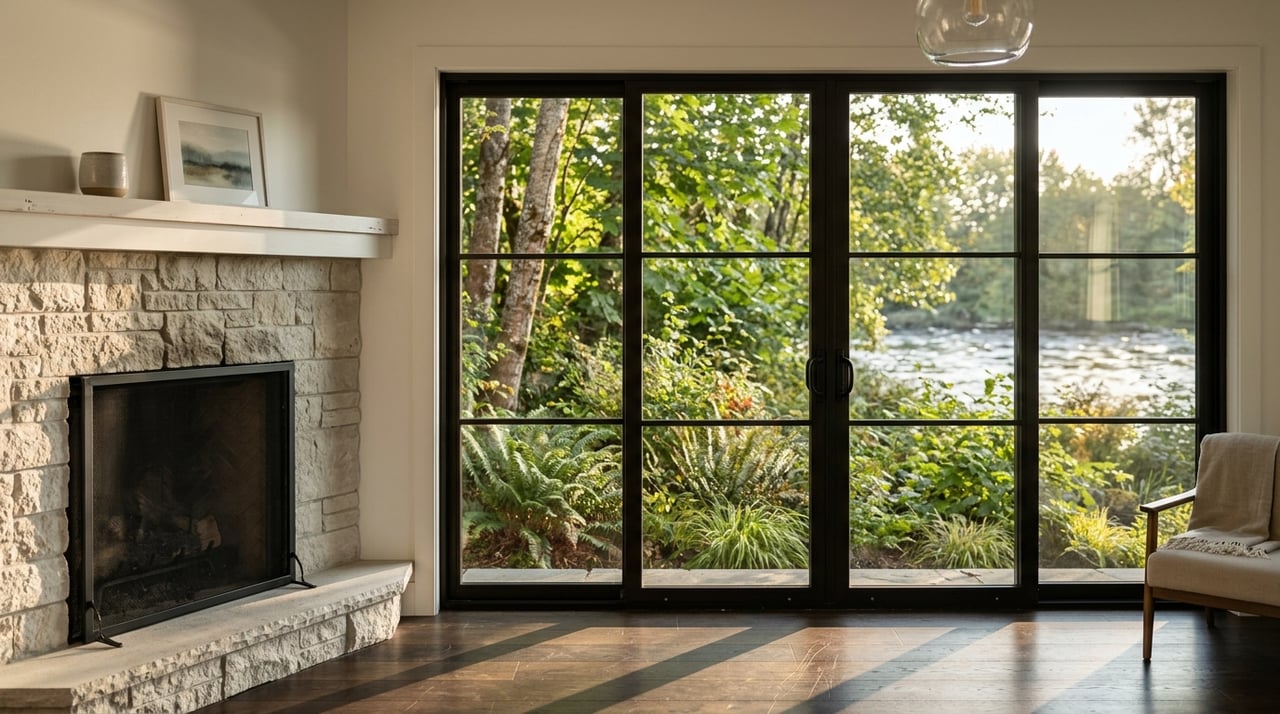
If your idea of a second home includes river mornings, quiet evenings, and easy access to some of Southern Oregon’s best outdoor recreation, Shady Cove deserves a closer look. This small Rogue River community offers a lifestyle that feels tucked away, yet highly connected to fishing, rafting, and year-round scenery. If you are thinking about buying a riverfront retreat here, it helps to understand not just the appeal, but also the rules, risks, and market realities that come with river-adjacent property. Let’s dive in.
Shady Cove is closely tied to the Rogue River lifestyle. The City of Shady Cove highlights the community’s connection to the river, and Travel Oregon describes it as a quaint town with strong access to the Rogue River and nearby outdoor recreation.
That setting is a big part of the draw. The Rogue River is nationally recognized for salmon and steelhead fishing, whitewater boating, and recreation that brings more than half a million visitors each year. For many buyers, that means a home here is not just about square footage. It is about using Shady Cove as a base for river days, fishing trips, and a slower pace of life.
In Shady Cove, a riverfront retreat can take a few different forms. You may find standard single-family homes, acreage properties, land opportunities, or manufactured-home-friendly options, depending on your budget and goals. Current portal data also shows a mix that includes single-family homes, condos, multi-family properties, manufactured or mobile homes, and land.
What matters most is matching the property to how you plan to use it. Some buyers want a personal getaway with direct access to nature. Others are looking for a lifestyle purchase that may also support part-time rental use, if local rules allow it.
Shady Cove is a smaller market, so pricing can move around more than in larger cities. That is why it is smarter to think in ranges instead of focusing on one exact median number.
Based on current portal data, entry-level land or manufactured-home opportunities can be more accessible, while many standard homes tend to fall in the mid-$400,000s to mid-$500,000s. Waterfront and larger-acreage properties can push well above that range. Redfin housing data recently reported a median sale price around $440,000, while its waterfront page showed a median listing price of $615,000 for waterfront homes.
Other portal snapshots show a similarly broad spread. Homes.com market listings include homes roughly from the high $300,000s into the $600,000s, with some riverfront or high-end properties reaching much higher price points. In a thin market like Shady Cove, inventory type often matters more than a headline number.
When you are buying near the river, floodplain review should be one of your first steps. The Shady Cove Planning Department states that it handles zoning, setbacks, floodplain, riparian areas, and permit questions. The city also notes that development in the Special Flood Hazard Area requires floodplain approval before Jackson County issues permits.
This matters whether you plan to remodel, build, add outdoor improvements, or simply want to understand future limitations. The city’s guidance also says certain plumbing, mechanical, and electrical work in the floodplain needs prior city approval. If a property seems perfect on paper, but your plans involve changes, you will want those answers early.
It is also important to verify the parcel directly. FEMA’s Flood Map Service Center is the official source for flood-hazard maps, and FEMA notes that most homeowners insurance policies do not cover flood damage. For buyers, that usually means checking the exact map location and requesting flood insurance quotes before you get too far down the road.
Riverfront living comes with another layer of due diligence beyond flood maps. Shady Cove’s riparian ordinance sets a 75-foot riparian corridor along the Rogue River and a 50-foot corridor along fish-bearing tributaries.
Within those areas, new structures, fill, grading, excavating, and vegetation removal are restricted unless the city and applicable agencies approve mitigation. That can affect plans for landscaping, erosion control work, additions, and other site changes. If you are buying for the view and the setting, it is worth remembering that river-adjacent ownership often comes with stewardship responsibilities too.
A riverfront property is not just about what is on the home site today. It is also about how water moves across the land during wet seasons and storm events. The city’s drainage guidance warns owners not to divert runoff in ways that alter or substantially increase flow onto neighboring property.
That makes site evaluation especially important. If a lot slopes toward the river, includes drainage features, or appears to have had prior grading, you will want to understand both current conditions and what future work may require. A beautiful lot can still come with practical limits that affect cost and usability.
Many buyers ask whether a riverfront retreat in Shady Cove could double as a vacation rental. The answer is not a simple yes or no. Shady Cove’s short-term rental ordinance allows vacation rentals as a conditional use in all residential districts and the G-C commercial district for stays of 30 days or less.
That said, the ordinance is detailed and compliance-driven. If the business license lapses or the property changes hands, the approval becomes void and the owner must reapply. The city also keeps a registry and inspects vacation rentals before issuing a business license.
Operational standards are strict. The ordinance includes a maximum occupancy of 10 people, a two-vehicle limit, on-site parking requirements, no outdoor noise after 9 p.m., and general limits on outside fires. It also states that service animals are the only animals permitted, owners must carry liability insurance, and ADUs cannot be used as vacation rentals.
There are also spacing and consent rules that can affect feasibility. The city requires 500 feet of spacing between vacation rentals on the same side of the river, written consent from adjoining owners, and in some shared-driveway or shared-water situations, consent from at least 75 percent of affected owners. Rentals of 30 days or less are also subject to transient occupancy tax.
The takeaway is simple: if short-term rental use is part of your plan, confirm eligibility before you buy. In Shady Cove, you do not want to assume a property can be used that way just because it is near the river.
Shady Cove’s visitor appeal is closely tied to outdoor recreation. Travel Oregon’s fishing and regional recreation coverage notes that spring is prime for fly-fishing on Rogue River systems, while late August through November is a key period for fall salmon and steelhead.
The area is also a known base for Rogue River rafting and other outdoor trips. That suggests the strongest appeal for second-home use and possible seasonal visitor demand likely runs from spring through fall. Even if you are buying mainly for personal use, understanding that rhythm can help you think about when the home may feel most active, most private, or most useful to you.
A riverfront purchase works best when you balance lifestyle with due diligence. Before you move forward, focus on the property’s setting, legal use, and long-term maintenance picture.
Here are a few smart questions to ask:
These questions help you see past the view and understand the full ownership picture.
In a market like Shady Cove, the details matter. Inventory can be limited, pricing can vary widely by property type, and river-adjacent homes often involve more research than a typical in-town purchase.
That is where local guidance can make a real difference. A knowledgeable agent can help you compare lifestyle fit, evaluate market positioning, and flag the planning questions worth asking before you commit. If you are exploring a riverfront retreat in Shady Cove, working with someone who understands both the Rogue Valley market and the unique considerations of lifestyle properties can save you time and costly surprises.
Whether you want a personal getaway, a long-term lifestyle purchase, or a property with carefully researched rental potential, the right strategy starts with clear information. If you are thinking about buying in Shady Cove, connect with Patrick Leiser for thoughtful, local guidance tailored to your goals.
Stay up to date on the latest real estate trends.


CLIENT FOCUSED. RESULT DRIVEN
Patrick and Polina have lived in Southern Oregon for more than a decade. They know – and love – this area and often refer to it as “America’s Best Kept Secret.” Whether you are looking to purchase your dream home, sell your existing property or build your real estate portfolio, this dynamic duo has the insight, creativity, and a clear understanding of the market to ensure your success. While Patrick and Polina work collaboratively throughout the process, you will see that each of them brings something unique and valuable to the team, giving you the competitive advantage in every scenario.