Is Rogue River Oregon the Right Place to Retire?
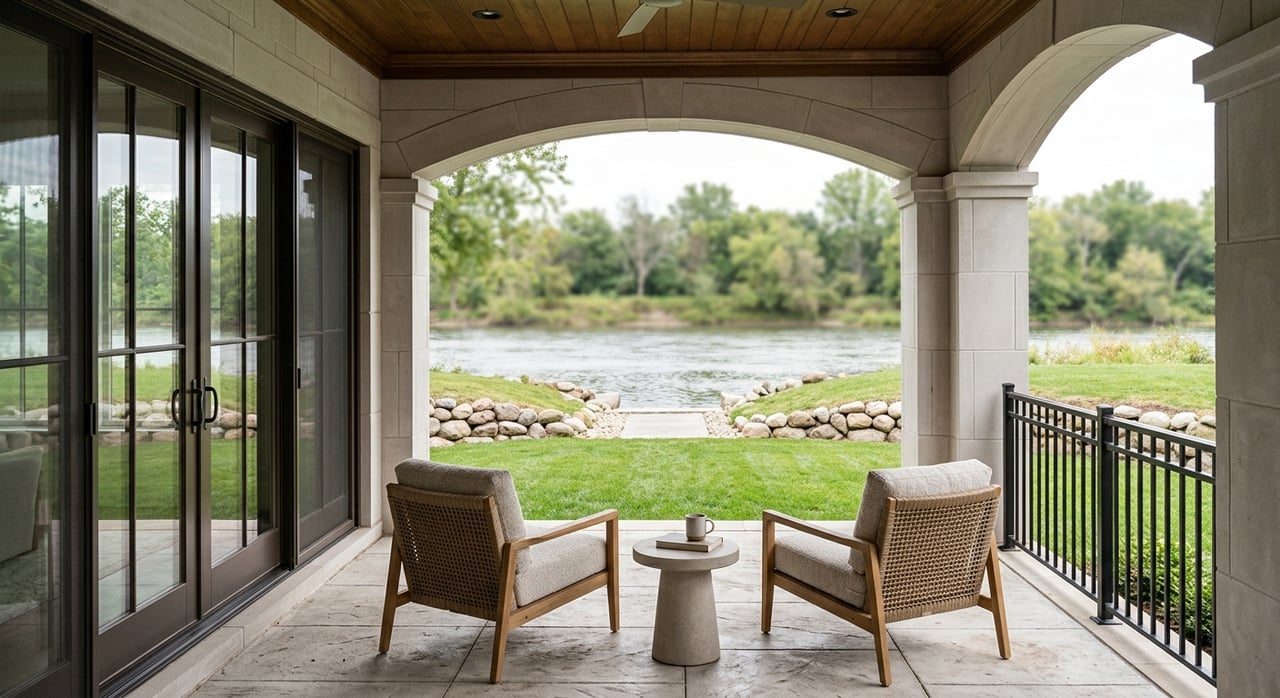
If your idea of retirement includes easy river access, short in-town errands, and a slower daily pace, Rogue River deserves a closer look. This small Jackson County city offers a compact setting with parks, community resources, and regional healthcare within reach, which can matter a lot when you are planning your next chapter. If you are weighing lifestyle, convenience, and home options, this guide will help you understand what retiring in Rogue River can really look like. Let’s dive in.
Rogue River is a very small city with a population of 2,484, according to the city’s official site. Census data also shows a median age of 50 and about two people per household, which points to a compact community with a quieter rhythm than many larger Southern Oregon cities. If you are looking for a place that feels manageable and grounded, that small-town scale is part of the appeal.
The city’s layout also supports a simpler day-to-day routine. Its comprehensive plan describes an urban core around Main and Depot Streets, with commercial activity along Rogue River Highway and denser housing closer to the center. In practical terms, that means many everyday stops are clustered in a small area rather than spread across a large metro footprint.
One of Rogue River’s biggest strengths is how much of daily life fits into a short radius. The city has centrally located public spaces like Anna Classick Bicentennial Park on Pine Street, Palmerton Park nearby, the Rogue River Community Center on Broadway, and the Jackson County library branch on East Main. For many retirees, that can translate into fewer long drives and a more relaxed weekly routine.
The city’s comprehensive plan also notes that the Rogue River divides the city and places fishing, boating, and picnicking areas within walking distance for residents. That detail says a lot about the local lifestyle. In Rogue River, outdoor access is not just a weekend event. It is part of everyday living.
For many buyers considering retirement in Southern Oregon, access to nature is a major priority. Rogue River stands out because the river is not just nearby. It is woven into the town itself.
The city parks system offers several ways to enjoy the water and the outdoors. Fleming Park provides riverfront access, and Coyote Evans Park has a nearby watercraft ramp. Palmerton Park functions as an arboretum and includes group picnic space and a walking bridge, while Rooster Park serves as the site of the annual Rooster Crowing Contest.
That variety matters because retirement looks different for different people. You may want morning walks, easy picnic spots for visiting family, or occasional time on the water. Rogue River gives you several low-key ways to enjoy the outdoors without needing to plan a big outing.
Valley of the Rogue State Park adds even more recreation close by. It offers a day-use picnic area, overnight campground, three miles of Rogue River shoreline, a 1.25-mile interpretive walking trail, and access to the Rogue River Greenway Trail. If staying active is part of your retirement plan, these options expand what is available beyond the city parks.
For anglers and boaters, the Rogue has a strong recreation profile. Oregon Department of Fish and Wildlife describes the Rogue as well known for chinook salmon, steelhead, and white-water rafting. The Bureau of Land Management also notes that the lower Rogue recreational section includes 27 miles of Class I and II rapids and 11 boat access facilities.
A peaceful setting is important, but so is practical support. Rogue River offers some meaningful local resources that can help make retirement more manageable and connected.
The Rogue River Community Center is one of the town’s most useful assets for older adults. It is open Monday through Friday and offers bingo, art and exercise classes, monthly community dinners, Food & Friends lunches, a food pantry, loaner medical equipment, and free transportation for seniors going to medical or dental appointments. That mix of services can make a real difference if you value independence but also want support close to home.
The Jackson County Library District’s Rogue River branch adds another layer of community life. The branch hosts regular programming that includes gentle yoga, craft events, storytime, and reservable meeting rooms. Even in a small town, those kinds of low-cost activities can help you stay social and engaged.
Many retirees want to know what medical access looks like before they move. In Rogue River, major healthcare is not centered inside town, but it is available in nearby regional hubs.
Providence Medford Medical Center in Medford is a 120-bed community hospital with emergency, stroke, cardiac and vascular, joint replacement, spine, robotic surgery, and rehab services. Asante Three Rivers Medical Center in Grants Pass is a 125-bed community hospital. Rogue Community Health’s Medford Health Center also offers primary care, behavioral health, pharmacy, lab services, women’s health, and Medicare wellness visits, with sliding-fee discounts for eligible patients.
This setup may work well if you want small-town living without being too far from larger medical systems. It is a tradeoff worth considering carefully as you compare Rogue River with larger cities in the Rogue Valley.
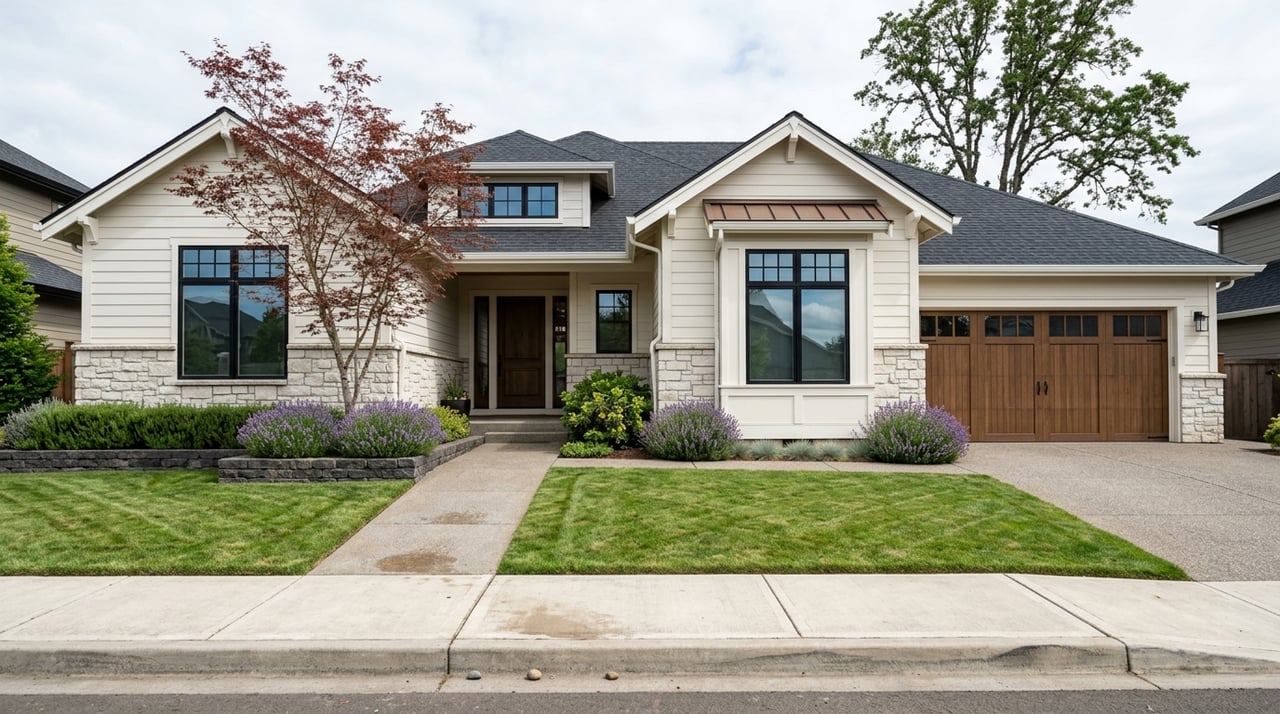
Housing is a key part of any retirement decision, and Rogue River offers a mix that may suit different goals. Census Reporter’s ACS 2024 5-year profile shows 1,288 housing units in the city and a median value of $310,200 for owner-occupied homes. That is below the Oregon median shown in the same profile, which may catch the attention of buyers comparing small-town pricing with broader statewide costs.
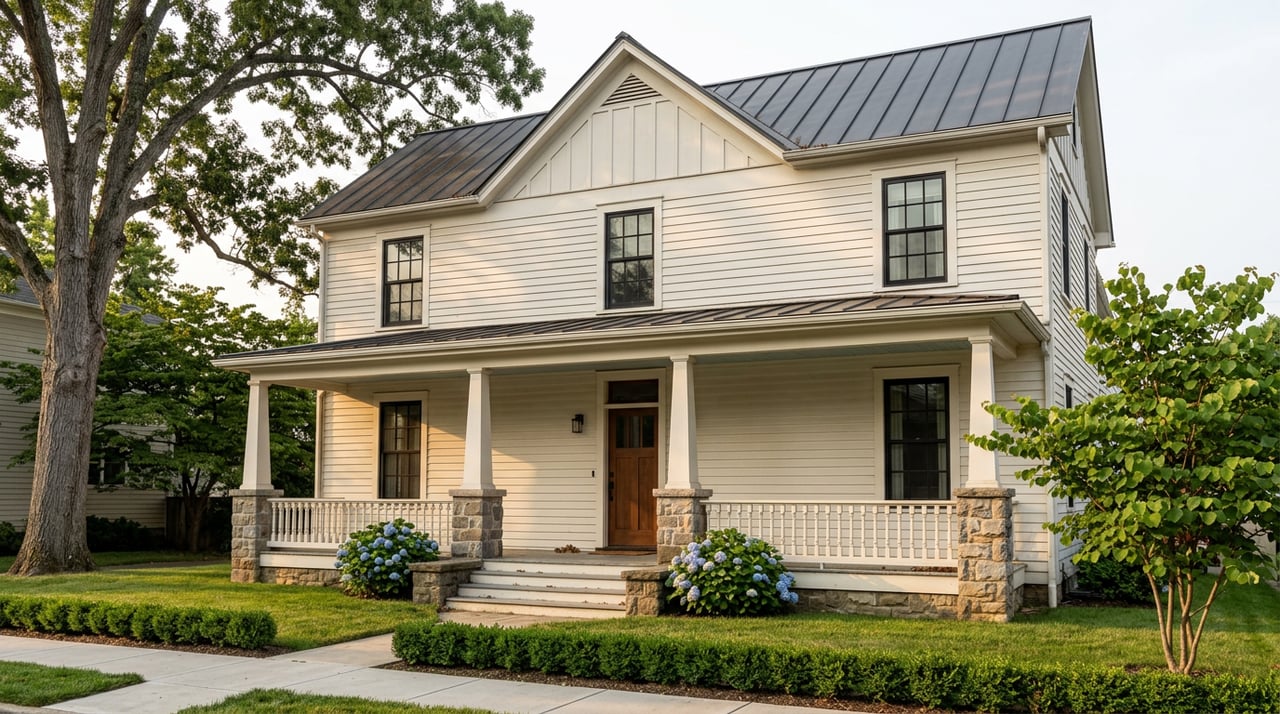
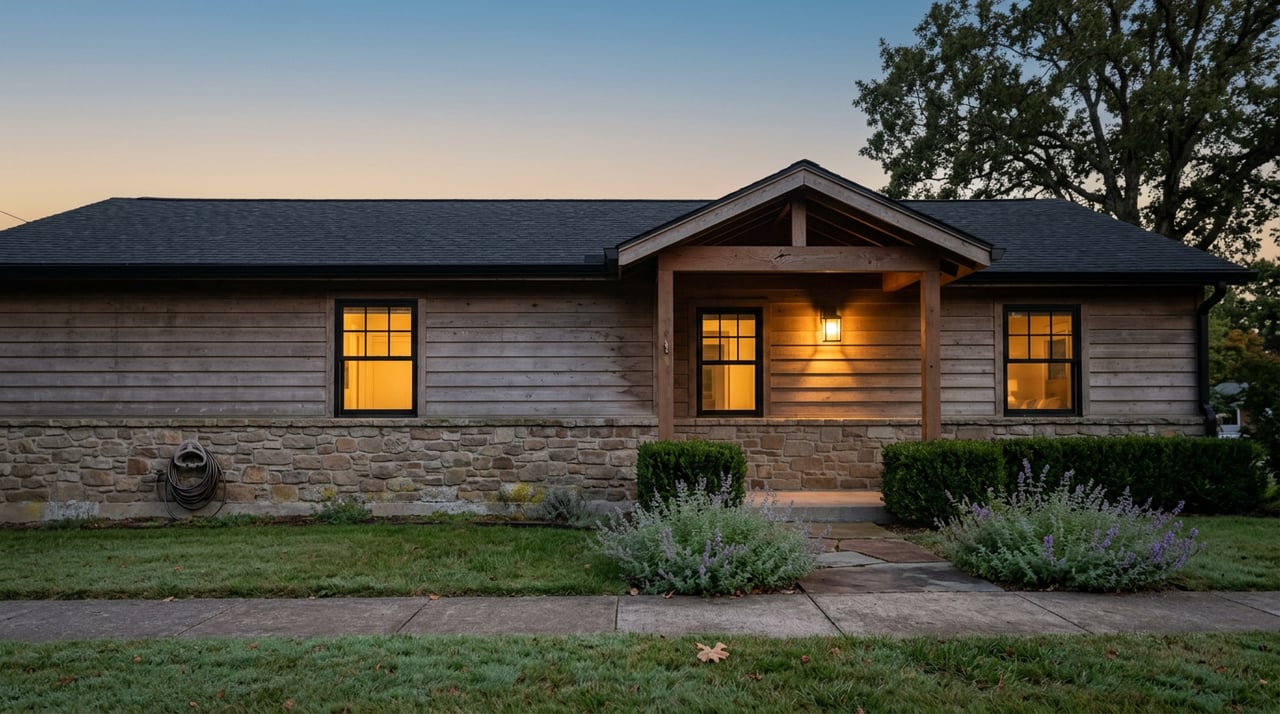
The city’s comprehensive plan describes a housing mix that includes estate lots, single-family districts, multi-family districts, apartments, duplexes, custom-home subdivisions, and two 55+ mobile-home parks. Since that planning document is not a live inventory source, the safest takeaway is that you may find more than one path here depending on your budget and lifestyle goals. That can be helpful if you are downsizing, looking for lower-maintenance living, or hoping to stay in a detached home.
If you are exploring Rogue River for retirement, it helps to think in terms of lifestyle fit rather than just price. A few priorities often come up:
A local home search can narrow these factors quickly. In a smaller market like Rogue River, understanding how each area functions day to day can matter just as much as square footage.
Rogue River’s strongest retirement story is clear: compact river-town living with meaningful everyday amenities. You get a walkable civic core, park access, a library branch, a community center, and proximity to larger healthcare systems in Medford and Grants Pass. For the right buyer, that combination can feel both peaceful and practical.
The tradeoff is that larger retail options, specialty services, and higher-acuity care are mostly outside town. If you want everything close at hand in one city, Rogue River may feel too limited. If you value peace, community, and outdoor access, and you are comfortable relying on nearby regional centers for bigger needs, it may be a strong fit.
Rogue River may be a good match if you are looking for a slower pace without giving up basic conveniences. It offers a small-footprint lifestyle shaped by the river, local parks, civic spaces, and community support. For many buyers, that creates a retirement setting that feels more personal and less rushed.
The best way to evaluate the town is to pair the data with your actual day-to-day needs. Think about how often you want to drive, what kind of home upkeep you want, how important outdoor access is, and how comfortable you are with regional healthcare and shopping. When you look at Rogue River through that lens, the lifestyle fit becomes much easier to judge.
If you are thinking about retiring in Rogue River or comparing it with other Southern Oregon towns, working with a local team can help you weigh lifestyle, housing options, and long-term fit. Reach out to Patrick Leiser for thoughtful, local guidance tailored to your next move.
Stay up to date on the latest real estate trends.

CLIENT FOCUSED. RESULT DRIVEN
Patrick and Polina have lived in Southern Oregon for more than a decade. They know – and love – this area and often refer to it as “America’s Best Kept Secret.” Whether you are looking to purchase your dream home, sell your existing property or build your real estate portfolio, this dynamic duo has the insight, creativity, and a clear understanding of the market to ensure your success. While Patrick and Polina work collaboratively throughout the process, you will see that each of them brings something unique and valuable to the team, giving you the competitive advantage in every scenario.