Living Near The Golf Courses In Eagle Point
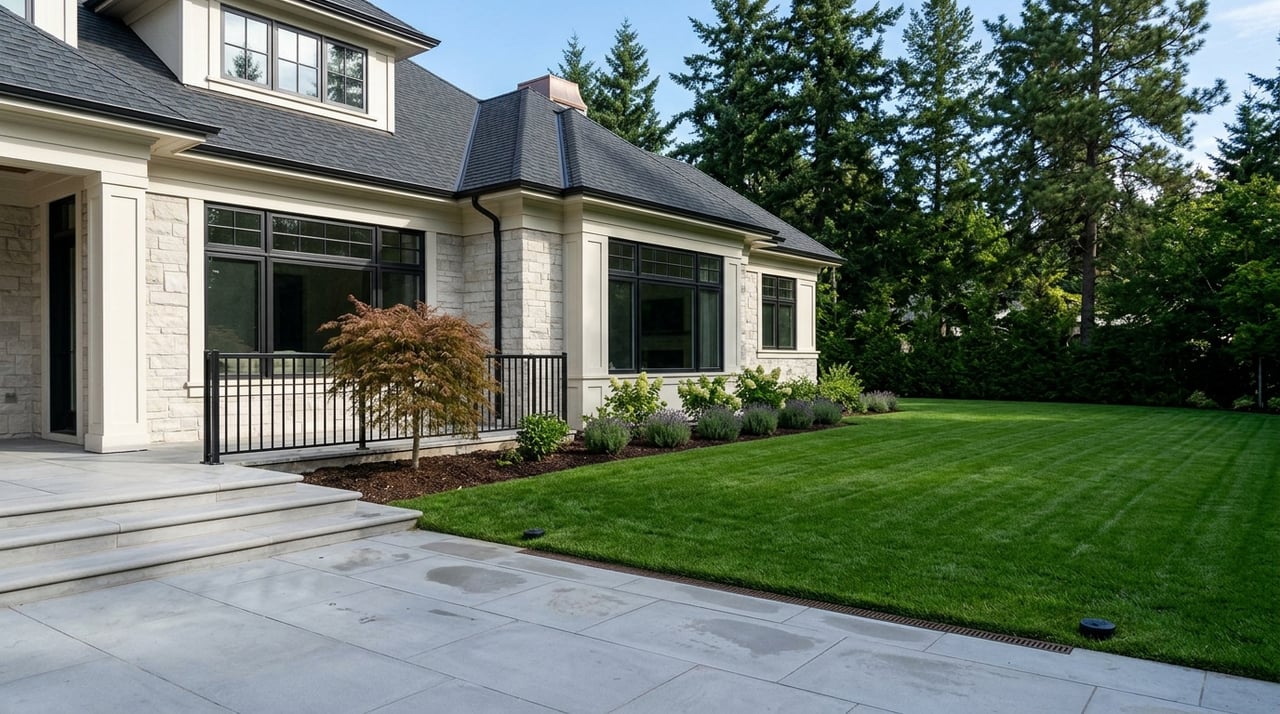
If you picture Southern Oregon living with mountain views, tidy streets, and the option to sneak in a round of golf without a long drive, Eagle Point likely belongs on your list. For many buyers, the appeal is not just the course itself. It is the mix of established neighborhoods, small-town routines, and a lifestyle that feels organized without feeling disconnected. If you are thinking about living near the golf courses in Eagle Point, here is what you should know before you buy. Let’s dive in.
Eagle Point is a small city with an estimated 9,861 residents in 2025, and it has a strong owner-occupied character. The U.S. Census Bureau reports a 74.4% owner-occupied housing rate and a median owner-occupied home value of $408,700. That helps explain why many neighborhoods feel rooted and well established.
Golf is a major part of the local identity, but it is not the whole story. Eagle Point also has a long-running community association that organizes events like an Easter egg hunt, tree lighting, Santa Around Town, and a dessert auction. That gives the area a more connected, small-town feel beyond the fairways.
Eagle Point Golf Course is one of the area’s biggest lifestyle anchors. It is an 18-hole, par-72 Robert Trent Jones Jr. design that opened in 1996 and stretches 7,099 yards.
The course is open to the public year-round, which matters if you want regular access without needing to travel far. The City of Eagle Point also notes that Golf Digest ranks it as the sixth best publicly accessible course in Oregon, adding to its regional draw.
This course supports more than casual play. Official course information highlights separate public and member tee-time paths, lessons, a practice complex, lodging, the Talon Grill, and organized golf clubs and play.
Stone Ridge Golf Club offers a different setting, but a similar lifestyle appeal. It is another 18-hole championship course in Eagle Point, located in the foothills at 500 E Antelope.
Its official materials emphasize scenic views, practice facilities, lessons, and the Top of the Ridge Cafe. If your ideal routine includes a view-driven golf setting with easy practice access, Stone Ridge is a strong local reference point.
In Eagle Point, golf-course living is best described as a mix of established subdivision homes and later-phase development. Jackson County assessor materials describe the Eagle Point Golf Course Community appraisal area as including the residential subdivisions within the golf community, with development beginning in the mid-1990s and continuing over time.
Community documents identify sections such as Fairway Ridge, Pine Lake I and II, Lakeside Park, and Glenwood I and II. That tells you this is not one single, uniform neighborhood product. Instead, it has multiple sections that developed across different phases.
The city also reports that about 85% of housing units in Eagle Point are single-family homes, while about 4% are mobile homes. In practical terms, that means the area is still largely detached-home territory, which fits what many buyers expect when they picture golf-oriented living in Southern Oregon.
Within the Eagle Point Golf Community, design guidelines frame the area around single-family residences. Those same guidelines note that a new single-story main dwelling should have at least 1,800 square feet of finished living space, which gives you a sense of the community’s general standards.
For homes near Stone Ridge, it is smart to stay flexible in your expectations. Official Stone Ridge materials focus on golf amenities and views, not detailed housing patterns, so the best way to evaluate nearby home styles is to review current inventory and specific surrounding subdivisions.
Living near the golf courses in Eagle Point can offer more than a nice backdrop. For the right buyer, it can make daily life easier, more scenic, and more social.
If golf is part of your routine, proximity matters. Being near Eagle Point Golf Course or Stone Ridge can make it easier to fit in early tee times, practice sessions, lessons, or casual rounds without turning it into an all-day outing.
That convenience can be especially appealing if you are retired, work remotely, or simply want more lifestyle built into your week. Since Eagle Point Golf Course is open year-round, the access has value across seasons.
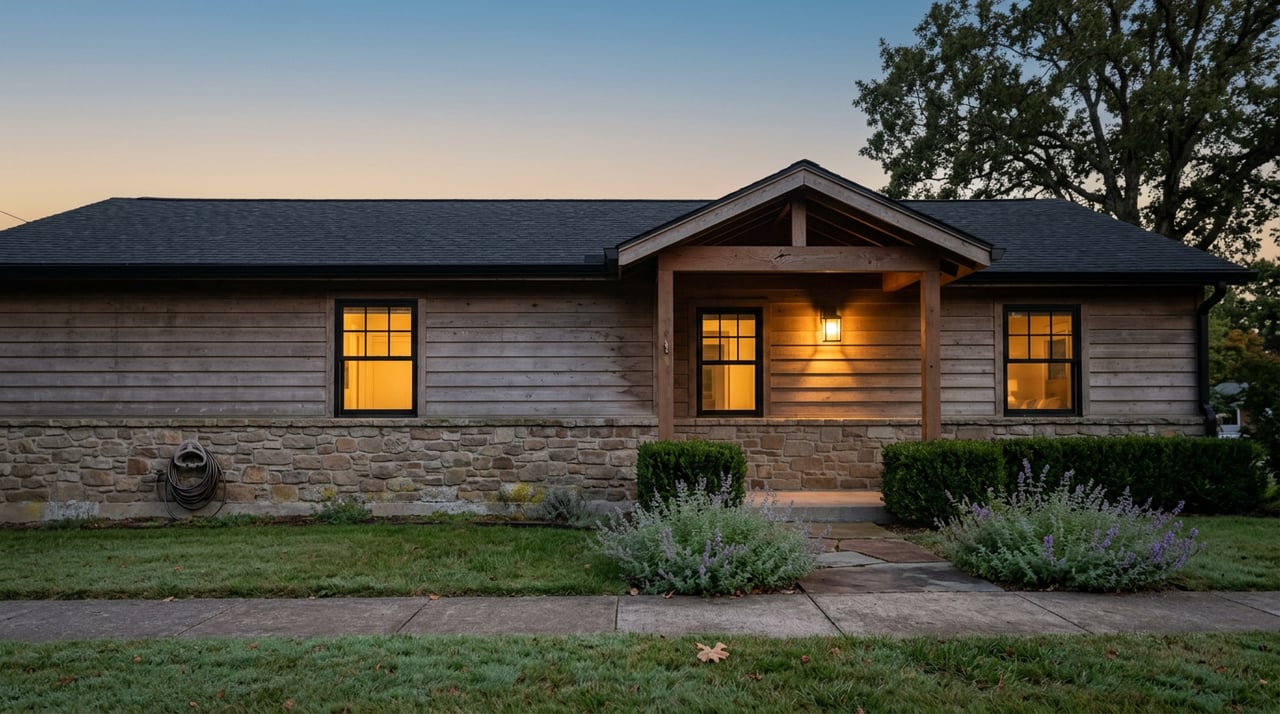
Many buyers are drawn to golf-course communities because the surroundings tend to feel well maintained. In Eagle Point’s golf community, design review and upkeep standards help create that polished look.
If you value consistency in curb appeal, landscaping, and exterior presentation, that can be a real plus. It often creates a more cohesive streetscape than you might find in a less structured rural subdivision.
One of Eagle Point’s strengths is balance. You can enjoy the visual appeal and recreation tied to the golf courses while still being part of a town with seasonal events, established neighborhoods, parks, and everyday community life.
For many buyers, that is the sweet spot. It feels lifestyle-focused without being limited to one activity.
Golf-course living is not one-size-fits-all. The same features that attract one buyer can feel restrictive to another.
The Eagle Point Golf Community HOA currently posts dues of $95 per quarter and is managed by Fieldstone Management. That is not an unusually dramatic number, but it is still a recurring ownership cost to factor into your budget.
When you compare homes, it helps to look beyond the sale price. HOA dues, landscape expectations, and any future exterior project costs all affect the true cost of ownership.
In the Eagle Point Golf Community, the Design Review Committee reviews new-home submittals and requires approval before construction of additions, exterior remodels, fencing, pools, and landscaping projects. The committee states that it has up to 45 days to respond.
There is also a Modification Committee that reviews exterior changes and landscape updates. If you prefer a more free-form property where you can make visible changes quickly, this setup may feel more structured than you want.
The community’s standards explain why these neighborhoods often look so sharp. Lawns are expected to be watered, fertilized, weeded, and mowed at least weekly during the growing season, while shrubs are to be pruned at least annually.
This is not just about appearance. NOAA climate normals for nearby Medford show annual precipitation of 18.43 inches, average highs around 91 degrees in July and August, and only 3.4 inches of annual snowfall, so irrigation and summer landscape care are practical ownership issues in this part of the valley.
The City of Eagle Point notes that stormwater issues have historically come from higher hills surrounding the community, and the city is divided into seven drainage basins. If you are considering a sloped lot, corner lot, or property near runoff paths, drainage behavior deserves a closer look.
This is one of those details that is easy to miss during a quick showing. Paying attention to grading, water flow, and site conditions can help you avoid surprises later.
Living near the golf courses in Eagle Point can work well for several types of buyers, but the fit usually comes down to priorities.
You may love it here if you want:
You may want to look elsewhere if you prefer:
That contrast is important. A golf-course home in Eagle Point offers convenience, scenery, and structure, but it is a different experience from owning a more independent property outside a managed community.
If you plan to tour homes near Eagle Point Golf Course or Stone Ridge, focus on the practical details as much as the views.
Here are a few smart things to check:
A beautiful location only works if the day-to-day ownership experience matches your goals. The right home should fit both your lifestyle and your comfort level with maintenance and community standards.
On paper, living near the golf courses in Eagle Point sounds simple. In practice, there can be meaningful differences between subdivision sections, lot positions, HOA expectations, and how a home lives day to day.
That is where local guidance matters. When you understand not just the home, but also the neighborhood structure and ownership tradeoffs, you can buy with more confidence and fewer surprises.
If you are exploring golf-course living in Eagle Point or comparing it with other Rogue Valley neighborhoods, Patrick Leiser can help you narrow down the right fit with local insight and concierge-level guidance.
Stay up to date on the latest real estate trends.



CLIENT FOCUSED. RESULT DRIVEN
Patrick and Polina have lived in Southern Oregon for more than a decade. They know – and love – this area and often refer to it as “America’s Best Kept Secret.” Whether you are looking to purchase your dream home, sell your existing property or build your real estate portfolio, this dynamic duo has the insight, creativity, and a clear understanding of the market to ensure your success. While Patrick and Polina work collaboratively throughout the process, you will see that each of them brings something unique and valuable to the team, giving you the competitive advantage in every scenario.