Step-By-Step Guide To Selling In Central Point
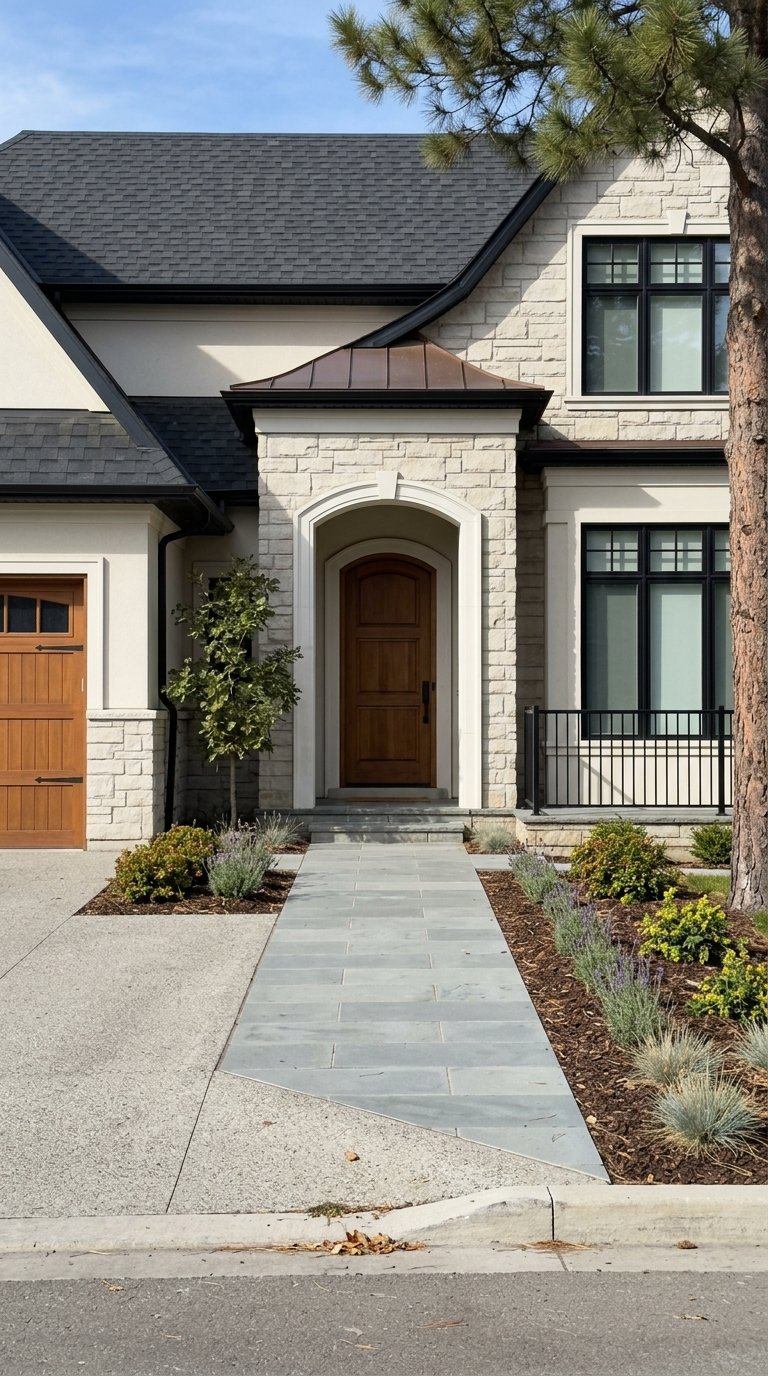
If you are thinking about selling in Central Point, timing and preparation can make a real difference. This market is active, but buyers still notice pricing, condition, and how smoothly a home hits the market. If you want fewer surprises and a stronger plan, this step-by-step guide will show you what to expect from pricing through closing. Let’s dive in.
Before you list, it helps to know what kind of market you are stepping into. In Central Point, recent data points to a seller-relevant market, but not one where every home will sell instantly no matter the price or condition.
Redfin reported a median sale price of $419,749 in May 2026, with homes averaging 31 days on market. Zillow showed a Central Point home value index of $421,746 and homes going pending in about 18 days as of May 31, 2026. Rogue Valley REALTORS reported a Central Point existing-home median sale price of $395,604 for March 1 through May 31, 2026, with 40 active homes on May 31, down from 57 a year earlier.
What does that mean for you? It means buyers are active, inventory is tighter than last year, and pricing still needs to be grounded in current local conditions. In a market like Central Point, a thoughtful launch often performs better than a rushed one.
Your first step should be a valuation conversation built around a comparative market analysis, or CMA. Online estimates can give you a rough starting point, but they cannot fully account for your home’s condition, updates, lot size, location, or how it compares to current competition.
That matters in Central Point because individual homes can vary sharply. A well-prepared property with strong presentation may compete very differently than a similar home that needs repairs or enters the market at the wrong price.
Jackson County’s broader market context also helps frame expectations. Rogue Valley REALTORS reported a county existing-home median value of $425,000 and a new-home median of $462,768 for March 1 through May 31, 2026. Central Point sits in the middle of that pricing mix, which supports the case for realistic pricing and clean presentation.
If you price too high, you risk fewer showings and more room for negotiation later. If you price from the start with local comparables, current inventory, and buyer demand in mind, you give your home a better chance to attract serious interest early.
If you have flexibility, spring is usually the strongest listing season. National 2026 research pointed to late March through mid-May as a strong window, with mid to late April standing out.
For you, that means prep should begin well before your target list date. If you want to hit the spring market, you may need to start repairs, paperwork, staging, and photography weeks in advance.
In Central Point, local event traffic can affect showings and open house logistics. The Jackson County Expo hosts major events including the Wild Rogue Pro Rodeo in mid-May and the Jackson County Fair from July 14 to July 19, 2026.
During high-traffic event periods, parking demand and road congestion can make access less convenient. If your home is affected by Expo traffic patterns, it may help to schedule open houses and private showings around those busier dates.
In Oregon, a broker representing you in a residential sale must have a written listing agreement before offering your property for sale or trying to find a buyer. This is an important early step, not a formality saved for later.
Oregon also requires the Initial Agency Disclosure Pamphlet at first contact with each represented consumer. That pamphlet explains the duties a seller’s agent owes, including acting honestly, presenting written offers in a timely manner, and disclosing known material facts that are not readily apparent.
Sometimes sellers wonder what happens if one brokerage is involved on both sides of a transaction. In Oregon, that situation is handled through disclosed limited agency, and it requires the proper written agreements.
In plain terms, this is not a free-flowing arrangement where every detail can be shared between parties. Written permission and separate agreements are required, so it is smart to understand this upfront if it becomes relevant in your sale.
One of the biggest seller responsibilities in Oregon is the Seller’s Property Disclosure Statement. State law requires most sellers to complete, sign, and deliver this disclosure to each buyer who makes a written offer.
The form covers a wide range of topics, including title matters, systems, fixtures, and property conditions. Your answers need to reflect your actual knowledge, so it helps to gather records and think through past repairs or issues before your home goes live.
A smoother sale often starts with better documentation. The Oregon Property Seller Advisory recommends collecting permit records for repairs or remodels, reviewing sewer or septic details, and looking over title and HOA documents early if they apply to your property.
You should also be ready in case buyers ask about prior leaks, repairs, remodeling work, or inspection reports. Waiting until after you accept an offer can slow down the process and create stress during negotiations.
If your home was built before 1978, federal lead-based paint disclosure rules likely apply. Sellers must provide the required lead information, disclose known lead-based paint hazards, and share any available records or reports.
Buyers are also generally given a 10-day opportunity to inspect for lead unless the parties agree otherwise. Separately, Oregon Health Authority notes that radon testing is recommended during inspections, but it is not required at the time of sale in Oregon.
This is the step where many sellers gain the most control. Buyers commonly inspect the home and may request repairs or credits, so it helps to address visible issues early when possible.
Simple improvements can also shape first impressions. Decluttering, basic repairs, curb appeal work, and a clean, well-maintained look can improve how buyers respond online and in person.
Once the home is clean and photo-ready, presentation becomes a marketing tool. High-quality photography is especially important because many buyers decide whether to schedule a showing based on the first images they see.
For sellers who want stronger exposure, thoughtful staging guidance and polished visual marketing can help your home stand out. This is where a concierge-style approach can make the process feel much more manageable.
When your home goes live, the goal is to create momentum. The first days on market often set the tone for buyer interest, so pricing, photos, disclosures, and showing readiness should all be lined up before launch.
If buyers see a home that looks well-prepared and easy to understand, they are more likely to act quickly. If the listing feels incomplete or overpriced, they may move on and wait for a price adjustment.
Once active, your listing agent’s role becomes part marketing, part coordination, and part communication. Showings, feedback, buyer questions, and written offers all need timely handling.
Oregon agency rules specifically require a seller’s agent to present written offers and communications in a timely manner. That responsive communication matters because buyers often move fast when the right home hits the market.
The highest offer is not always the strongest offer. As you review offers, it is important to consider financing, contingencies, timing, appraisal risk, and how likely the buyer is to reach closing.
Buyers may include inspection contingencies, financing contingencies, and appraisal conditions. Those terms can affect your flexibility later, especially if the buyer asks for repairs, credits, or a price adjustment.
A steady negotiation strategy can help you protect both price and terms. In some cases, a clean offer with fewer complications may serve you better than a slightly higher number with more risk attached.
This is where experienced transaction guidance matters most. Clear communication, quick responses, and careful review of each term can help keep a promising deal together.
After you accept an offer, the transaction enters a detail-heavy stage. Buyers commonly inspect the home and may ask for repairs, credits, or additional information.
This does not always mean something is wrong with the deal. It simply means the buyer is using the contract process to evaluate condition and decide whether to move forward under the agreed terms.
If the buyer is financing the purchase, an appraisal may become another key checkpoint. If the appraised value comes in lower than expected, the parties may need to revisit pricing or other terms.
Title work also happens during this period. The Oregon Property Seller Advisory recommends reviewing title questions and exceptions early, because title and escrow issues can delay closing if they surface late.
Closing is the final paperwork and fund-transfer stage of the sale. By this point, inspections, negotiations, appraisal, and title work should be substantially resolved.
The final steps usually include signing documents, reviewing the settlement statement and deed, and transferring ownership once funds are delivered. A well-managed transaction should make this stage feel organized, not rushed.
The smoothest closings usually start long before the sign goes in the yard. When pricing, prep, paperwork, and negotiation are handled with care, you reduce the odds of avoidable delays.
In Central Point, that kind of planning matters because market pace, limited inventory, property condition, and even local event traffic can all influence your result. A tailored plan gives you a better chance to move from listing to closing with confidence.
If you are preparing to sell in Central Point, working with a local team that understands pricing, presentation, and Oregon-specific steps can make the process feel much simpler. When you are ready for a tailored plan and a clear next step, connect with Patrick Leiser.
Stay up to date on the latest real estate trends.



CLIENT FOCUSED. RESULT DRIVEN
Patrick and Polina have lived in Southern Oregon for more than a decade. They know – and love – this area and often refer to it as “America’s Best Kept Secret.” Whether you are looking to purchase your dream home, sell your existing property or build your real estate portfolio, this dynamic duo has the insight, creativity, and a clear understanding of the market to ensure your success. While Patrick and Polina work collaboratively throughout the process, you will see that each of them brings something unique and valuable to the team, giving you the competitive advantage in every scenario.